Owning a pool or spa is one of life’s great pleasures, but it also comes with legal responsibilities! These responsibilities help you protect your family and community. In Victoria, all pool and spa owners must register their pools, keep them compliant, and inspect them every four years.
At Pool Living, we’ll help you stay ahead of these regulations with pre-inspection checks and practical fixes that work.Whether you’re building a new pool, upgrading an old one, or preparing for your next inspection our team is here to help.
Every pool and spa in Victoria capable of holding more than 300 mm (30 cm) of water must be registered with your local council. This applies to:
Once registered, your council will determine which pool fence regulations in Victoria apply to your pool based on its construction date. Different pools follow different rules.

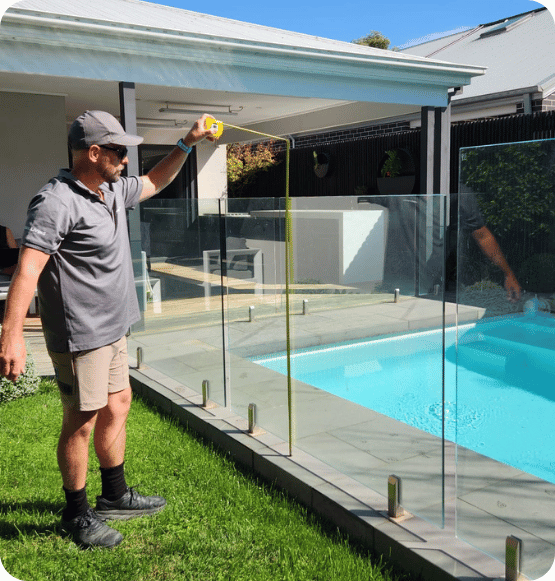
A pool safety barrier restricts young children (below 5 years old) from entering your pool. As an owner, it’s your responsibility to keep the barrier in working order at all times.
So what does a good barrier look like?

Pool inspections are carried out by a qualified professional, such as a registered building surveyor, registered building inspector, or registered pool inspector. However, your local city or shire council manages the registrations of your pools and spas.
You must also lodge your Certificate of Barrier Compliance with your local council and issue a new one every four years.

Not registering your pool or submitting your compliance certificate to your local council can result in hefty council fines. If an inspection doesn’t meet the safety standards, you’ll receive a notice to fix the defects within 60 days and get it re-inspected.
For rented properties, it’s the landlord's responsibility to maintain and re-certify their pool barrier. Renters must also report any damage or gate faults immediately.
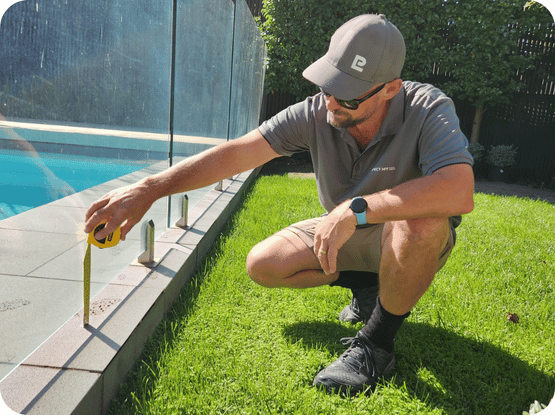
By law, all pool barriers in Victoria must be inspected and re-certified every four years by a qualified building professional. However, we recommend doing DIY checks every few months, especially after storms or renovations. Even a sagging gate can become a costly non-compliance problem, so it’s best to identify any issues early.

Many homeowners get caught during pool inspections because of a mix of new administrative tasks (registration and periodic certification) and old physical standards that are often forgotten or compromised by everyday life and landscaping changes.
A vast majority of physical non-compliance issues happen because of:

Non-climbable zone (NCZ) violations
Furniture, pot plants, or BBQs within 900 mm of the fence.

Faulty gates
Not self-closing or self-latching from any open position.

Low latches
Positioned below 1500 mm from the ground.

Gaps or ground changes
Landscaping can unintentionally lower the barrier height below 1200 mm.

Propping the gate open
Even a compliant gate is non-compliant if it is held open with an object like a chair, bucket, or hook.

In December 2019, major reforms were introduced that affect both old and new pool owners.
Need to get your pools registered or not sure what to do? Contact our team at Pool Living for friendly advice.

Check the gate
Make sure that it closes and latches automatically from any open position, opens away from the pool area, and that the latch sits 1500 mm above ground.
Clear the non-climbable zone (NCZ)
Remove all objects within 900 mm of the outside of the fence, and trim branches or shrubs that could be used to climb.
Check fence height & gaps
Your barrier should be at least 1200 mm high, and any gaps between panels or underneath the fence are kept under 100 mm.
Check house walls or windows (if applicable)
Windows should open no more than 100 mm or have secure screens. All doors to the poll should be self-closing and self-latching if part of older barriers.
Display CPR signage
You must have a visible, weatherproof, and up-to-date CPR sign with the latest instructions.
When in doubt, call an expert
We’ll help you inspect your pools and fix any non-compliance issues.